Connor McKnight

Portfolios / Educational Instruction and Library Occupations

Curriculum developer

31 pictures, films and books for FourSkill

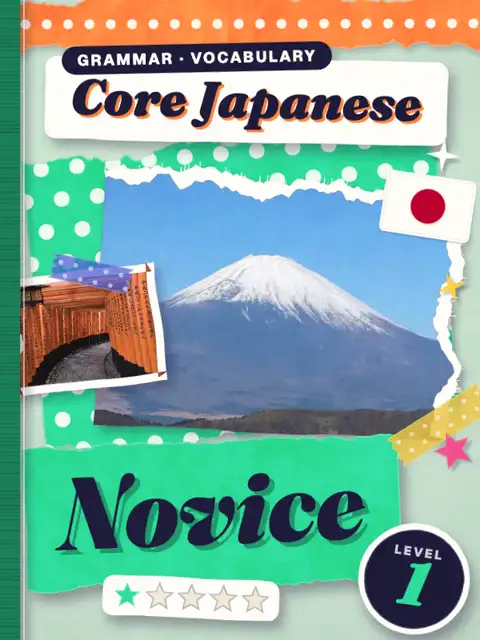
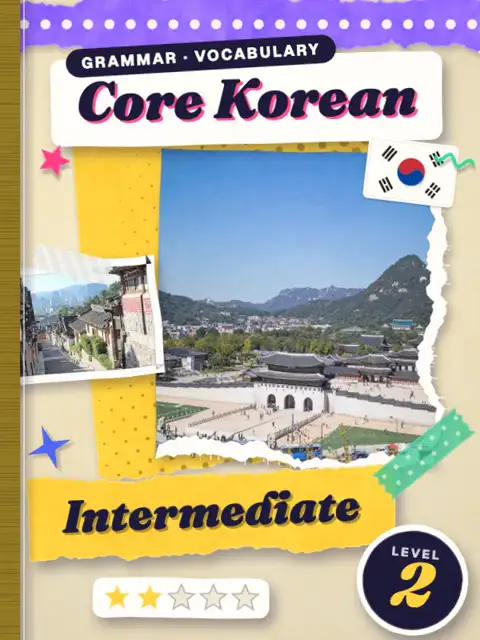
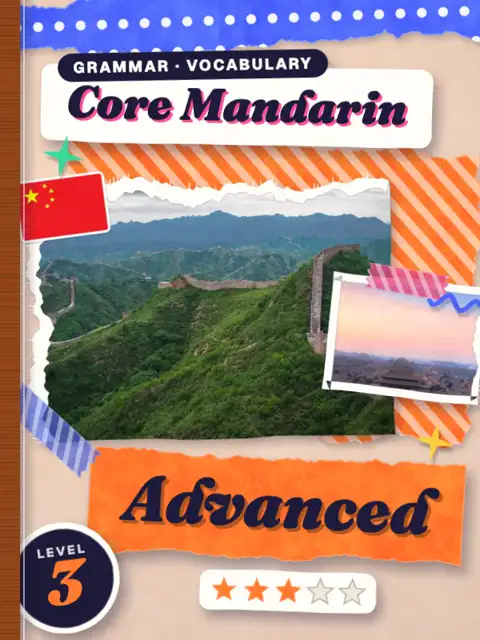
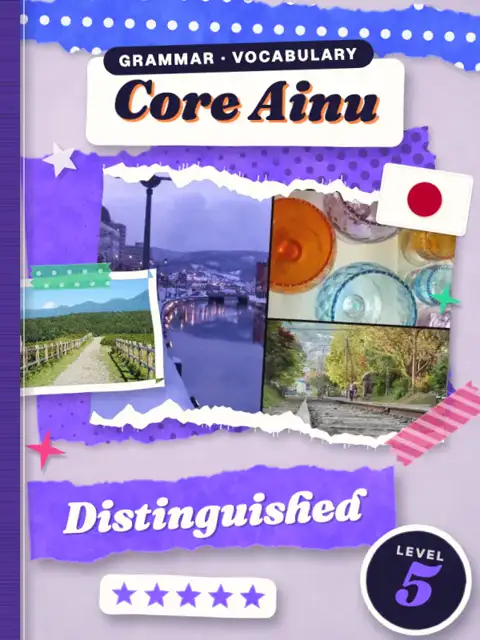
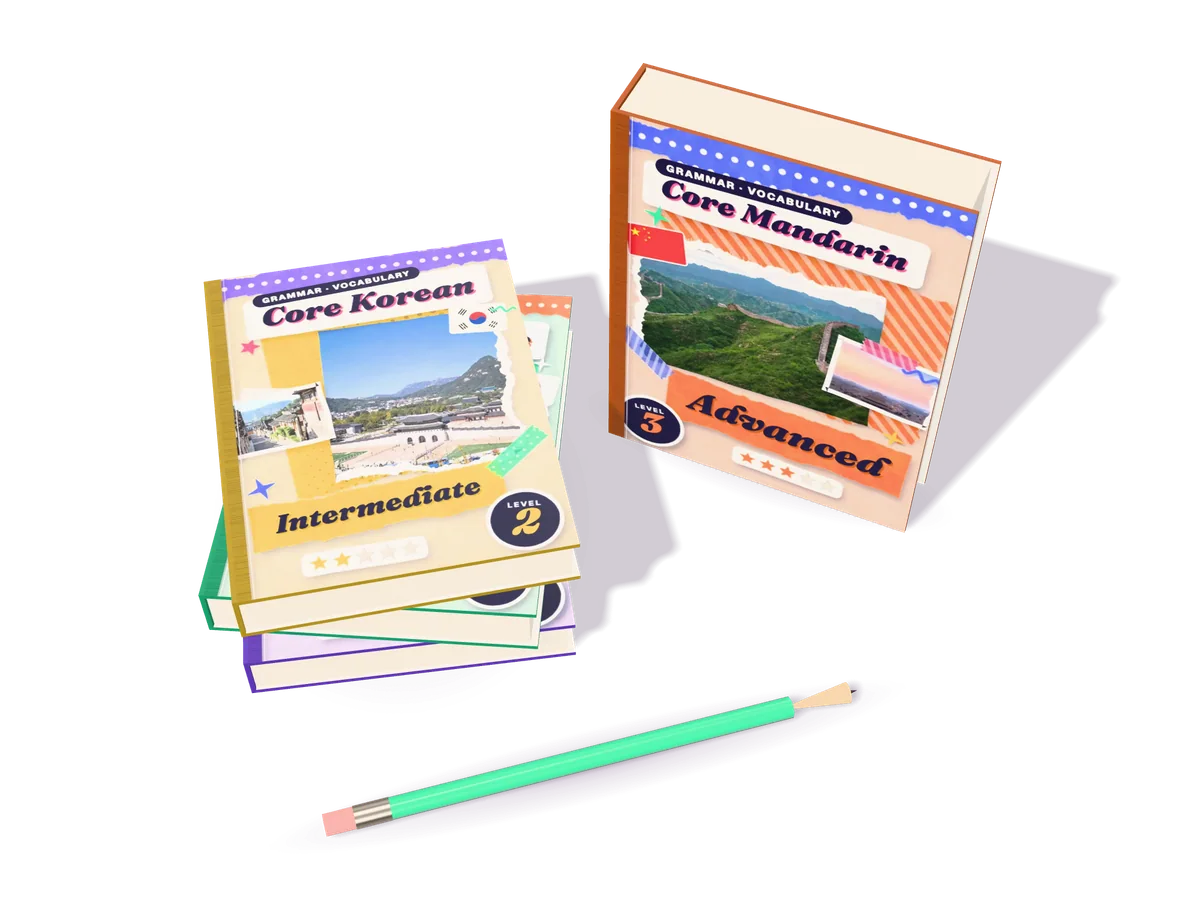
Object plate for the curriculum developer portfolio: a stack of FourSkill Core books.
About this occupationCurriculum developer · what the work involves, and what his work shows

Develop instructional material, coordinate educational content, and incorporate current technology into instruction in order to provide guidelines to educators and instructors for developing curricula and conducting courses. May train and coach teachers. Includes educational consultants and specialists, and instructional material directors.

The 30 tasks of the occupation
  1. Observe work of teaching staff to evaluate performance and to recommend changes that could strengthen teaching skills.
  2. Plan and conduct teacher training programs and conferences dealing with new classroom procedures, instructional materials and equipment, and teaching aids.
  3. Interpret and enforce provisions of state education codes and rules and regulations of state education boards.
  4. Conduct or participate in workshops, committees, and conferences designed to promote the intellectual, social, and physical welfare of students.
  5. Advise teaching and administrative staff in curriculum development, use of materials and equipment, and implementation of state and federal programs and procedures.
  6. Advise and teach students.
  7. Recommend, order, or authorize purchase of instructional materials, supplies, equipment, and visual aids designed to meet student educational needs and district standards.
  8. Update the content of educational programs to ensure that students are being trained with equipment and processes that are technologically current.
  9. Address public audiences to explain program objectives and to elicit support.
  10. Research, evaluate, and prepare recommendations on curricula, instructional methods, and materials for school systems.
  11. Prepare grant proposals, budgets, and program policies and goals or assist in their preparation.
  12. Prepare or approve manuals, guidelines, and reports on state educational policies and practices for distribution to school districts.
  13. Coordinate activities of workers engaged in cataloging, distributing, and maintaining educational materials and equipment in curriculum libraries and laboratories.
  14. Adapt instructional content or delivery methods for different levels or types of learners.
  15. Analyze performance data to determine effectiveness of instructional systems, courses, or instructional materials.
  16. Assess effectiveness and efficiency of instruction according to ease of instructional technology use and student learning, knowledge transfer, and satisfaction.
  17. Conduct needs assessments and strategic learning assessments to develop the basis for curriculum development or to update curricula.
  18. Define instructional, learning, or performance objectives.
  19. Design instructional aids for stand-alone or instructor-led classroom or online use.
  20. Design learning products, including Web-based aids or electronic performance support systems.
  21. Develop instructional materials, such as lesson plans, handouts, or examinations.
  22. Develop master course documentation or manuals according to applicable accreditation, certification, or other requirements.
  23. Develop measurement tools to evaluate the effectiveness of instruction or training interventions.
  24. Edit instructional materials, such as books, simulation exercises, lesson plans, instructor guides, and tests.
  25. Interview subject-matter experts or conduct other research to develop instructional content.
  26. Present and make recommendations regarding course design, technology, and instruction delivery options.
  27. Provide analytical support for the design and development of training curricula, learning strategies, educational policies, or courseware standards.
  28. Recommend changes to curricula or delivery methods, based on information such as instructional effectiveness data, current or future performance requirements, feasibility, and costs.
  29. Research and evaluate emerging instructional technologies or methods.
  30. Teach instructors to use instructional technology or to integrate technology with teaching.

The skills it calls for most

  • Learning Strategies
  • Writing
  • Speaking
  • Instructing
  • Reading Comprehension
  • Active Listening
  • Monitoring
  • Active Learning

The knowledge it calls for most

  • Education and Training · his work draws on it
  • English Language · his work draws on it
  • Administration and Management
  • Mathematics
  • Computers and Electronics
  • Customer and Personal Service
  • Public Safety and Security
  • Personnel and Human Resources
Field
Educational Instruction and Library Occupations
Skills shown
Curriculum design