
Connor McKnight

Portfolios / Educational Instruction and Library Occupations

Language instructor

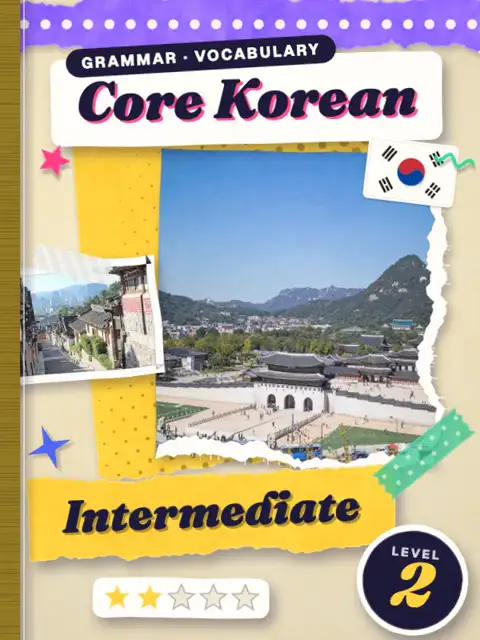
31 pictures, films and books for FourSkill

As FourSkill’s lead instructor he teaches through structured courses and spaced repetition, and wrote the Core Languages books its language courses are built on.

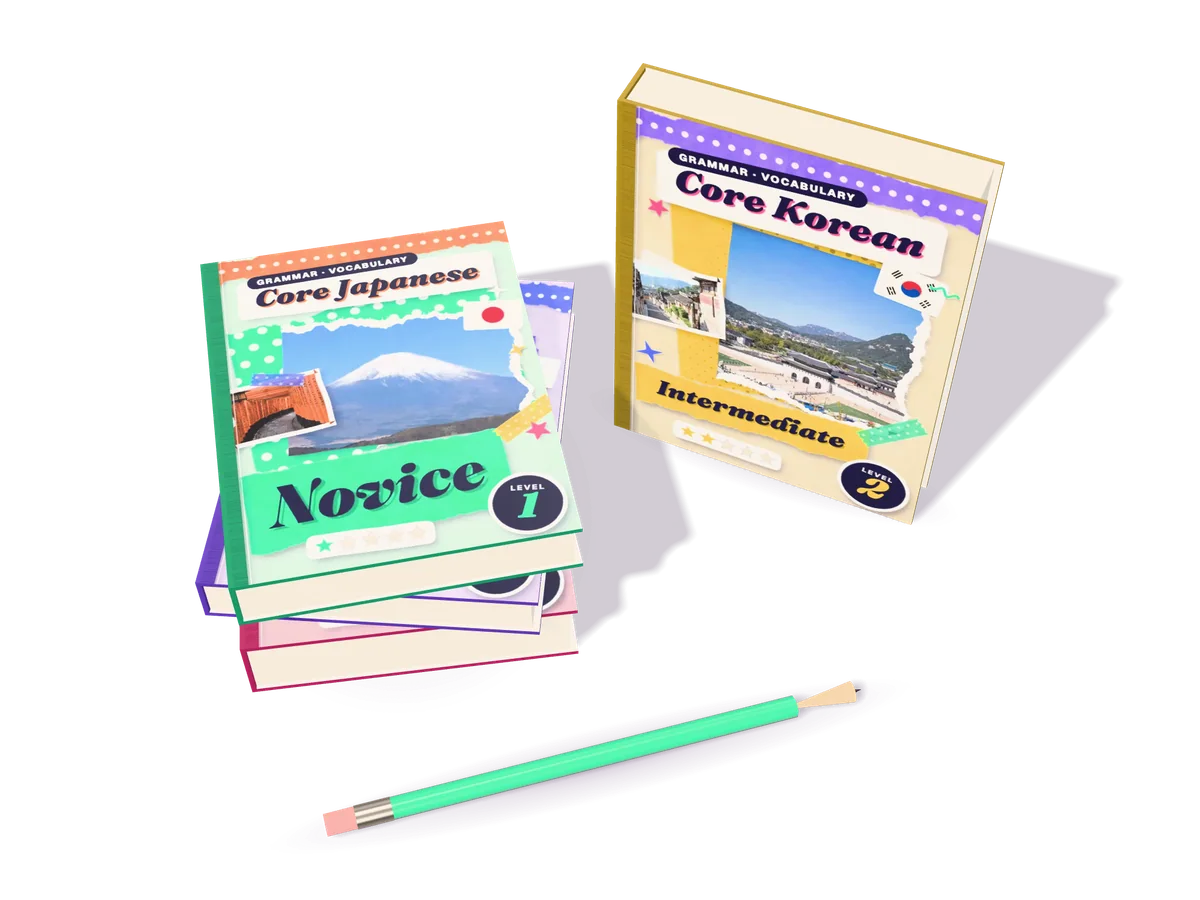
Object plate for the language instructor portfolio: a stack of FourSkill Core books.
About this occupationLanguage instructor · what the work involves, and what his work shows

Teach or instruct individuals or groups for the primary purpose of self-enrichment or recreation, rather than for an occupational objective, educational attainment, competition, or fitness.

Language runs through his work: the graded Core books for hundreds of languages on FourSkill, where he is the lead instructor.

Lead instructor at FourSkill.

Tasks his work shows

  1. Adapt teaching methods and instructional materials to meet students' varying needs and interests.8 pieces · Language teaching
  2. Establish clear objectives for all lessons, units, and projects and communicate those objectives to students.8 pieces · Language teaching
  3. Prepare instructional program objectives, outlines, and lesson plans.8 pieces · Language teaching
The other 27 tasks of the occupation
  1. Instruct students individually and in groups, using various teaching methods, such as lectures, discussions, and demonstrations.
  2. Prepare students for further development by encouraging them to explore learning opportunities and to persevere with challenging tasks.
  3. Observe students to determine qualifications, limitations, abilities, interests, and other individual characteristics.
  4. Maintain accurate and complete student records as required by administrative policy.
  5. Monitor students' performance to make suggestions for improvement and to ensure that they satisfy course standards, training requirements, and objectives.
  6. Prepare and administer written, oral, and performance tests, and issue grades in accordance with performance.
  7. Confer with other teachers and professionals to plan and schedule lessons promoting learning and development.
  8. Prepare materials and classrooms for class activities.
  9. Enforce policies and rules governing students.
  10. Review instructional content, methods, and student evaluations to assess strengths and weaknesses, and to develop recommendations for course revision, development, or elimination.
  11. Meet with other instructors to discuss individual students and their progress.
  12. Plan and conduct activities for a balanced program of instruction, demonstration, and work time that provides students with opportunities to observe, question, and investigate.
  13. Use computers, audio-visual aids, and other equipment and materials to supplement presentations.
  14. Attend professional meetings, conferences, and workshops to maintain and improve professional competence.
  15. Plan and supervise class projects, field trips, visits by guest speakers, contests, or other experiential activities, and guide students in learning from those activities.
  16. Attend staff meetings and serve on committees, as required.
  17. Select, order, and issue books, materials, and supplies for courses or projects.
  18. Assign and grade class work and homework.
  19. Conduct classes, workshops, and demonstrations, and provide individual instruction to teach topics and skills, such as cooking, dancing, writing, physical fitness, photography, personal finance, and flying.
  20. Instruct and monitor students in the use and care of equipment and materials to prevent injury and damage.
  21. Meet with parents and guardians to discuss their children's progress and to determine their priorities for their children.
  22. Schedule class times to ensure maximum attendance.
  23. Prepare and implement remedial programs for students requiring extra help.
  24. Observe and evaluate the performance of other instructors.
  25. Organize and supervise games and other recreational activities to promote physical, mental, and social development.
  26. Participate in publicity planning and student recruitment.
  27. Write instructional articles on designated subjects.

The skills it calls for most

  • Speaking
  • Learning Strategies
  • Active Listening
  • Instructing
  • Reading Comprehension
  • Active Learning
  • Critical Thinking
  • Monitoring

The knowledge it calls for most

  • Education and Training · his work draws on it
  • Customer and Personal Service
  • English Language
  • Sociology and Anthropology
  • Computers and Electronics
  • Psychology
  • Mathematics
  • Foreign Language · his work draws on it
Field
Educational Instruction and Library Occupations
Skills shown
Language teaching