Connor McKnight

Portfolios / Arts, Design, Entertainment, Sports, and Media Occupations

Illustrator

248 pictures, films and books for FourSkill, The North China Times and Kaitu

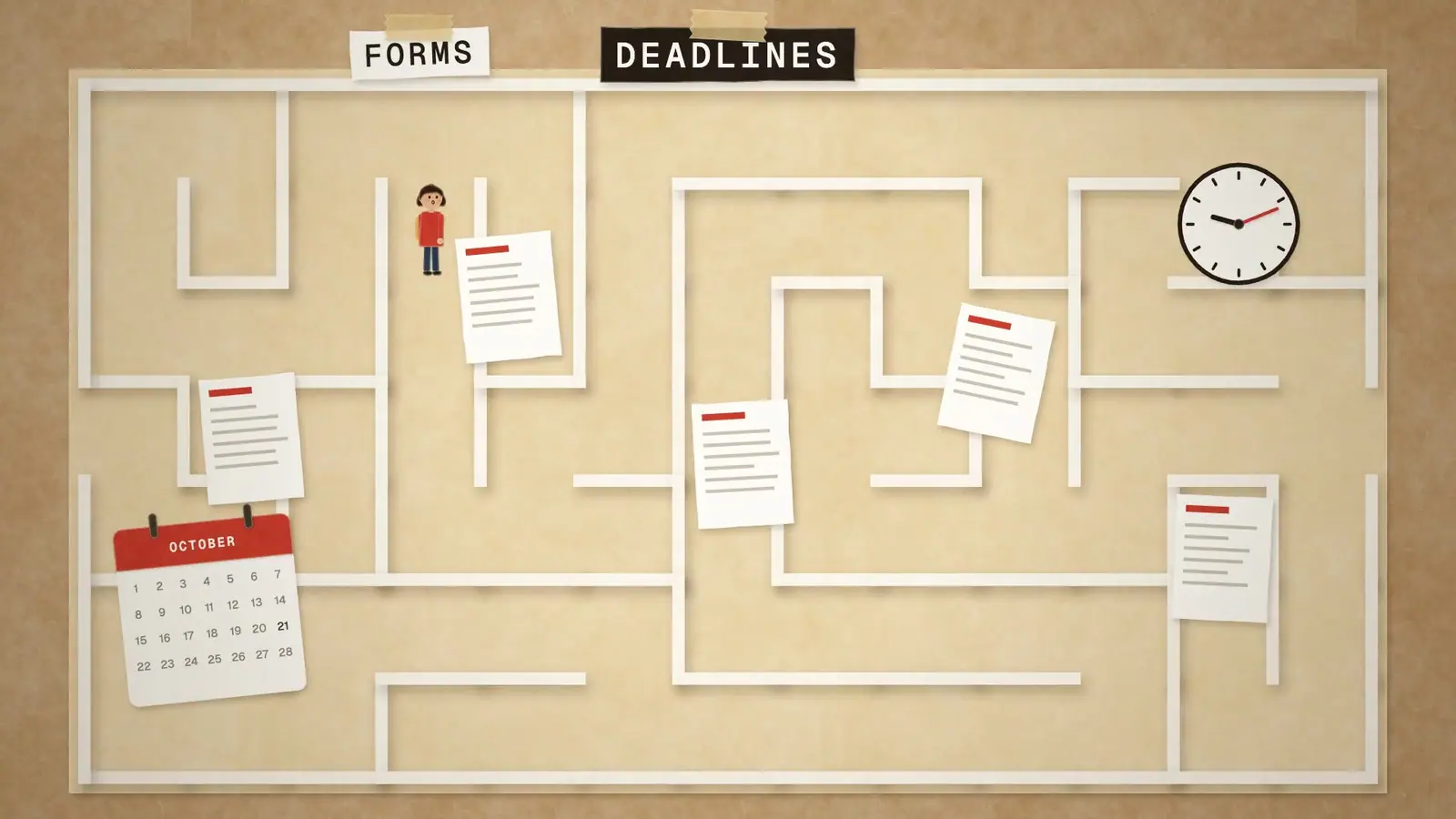
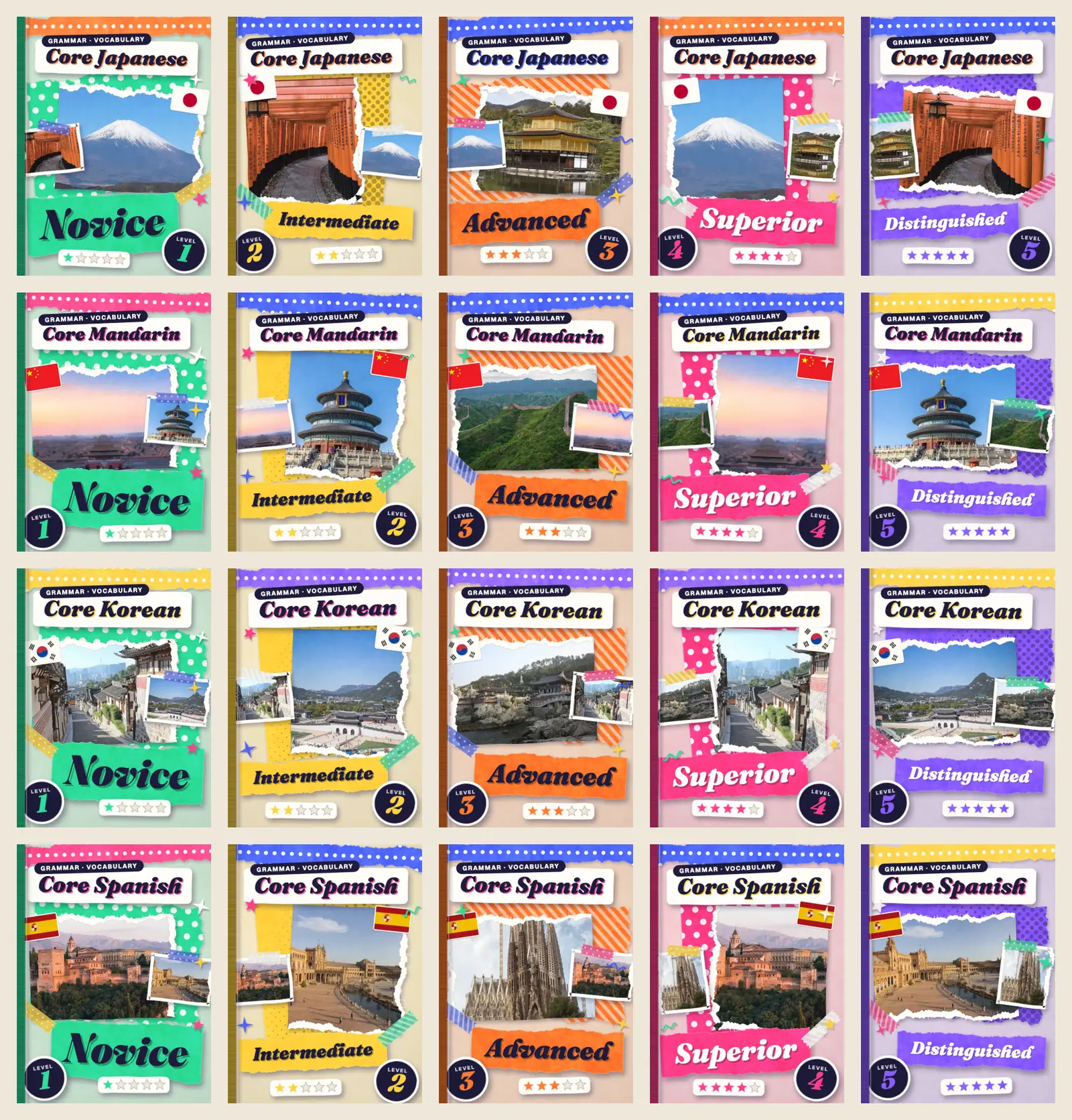
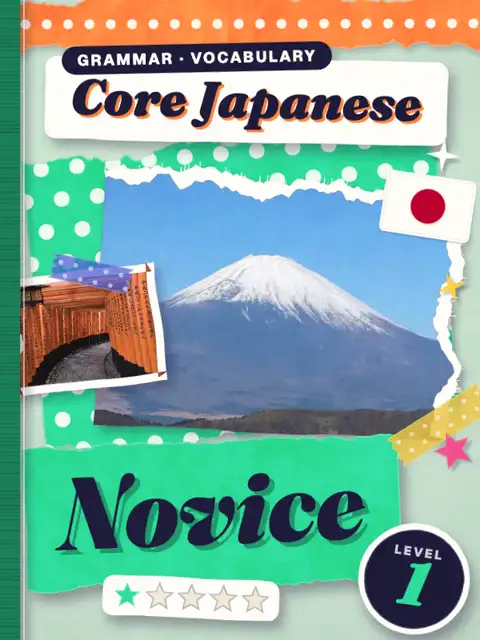
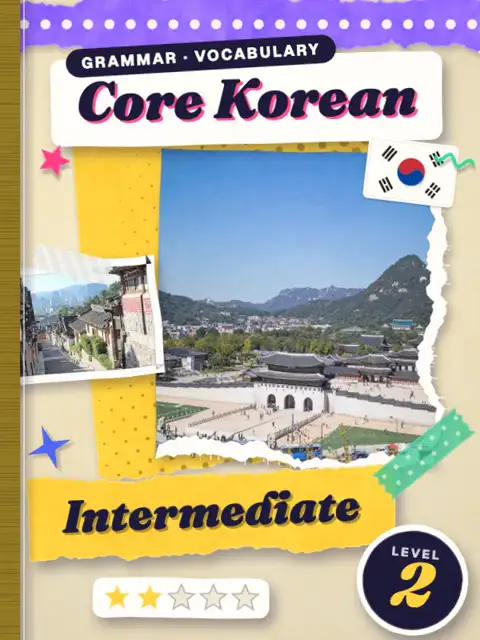
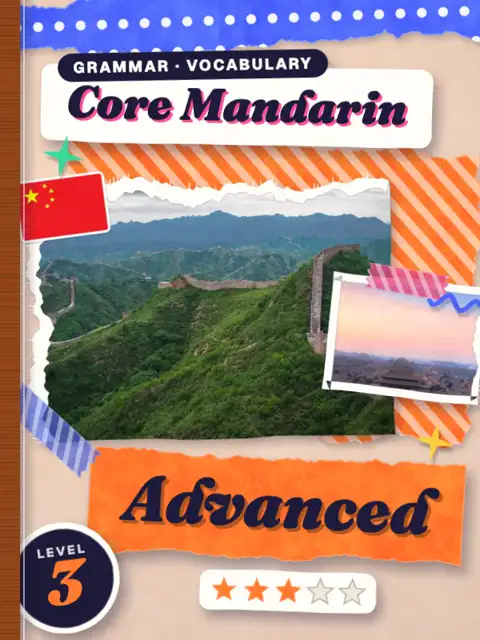
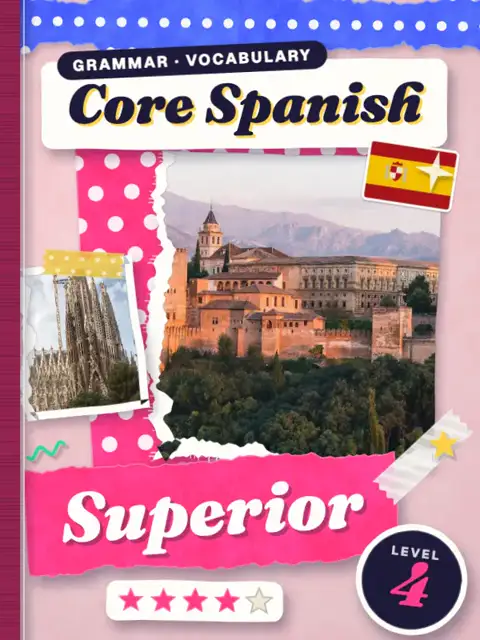
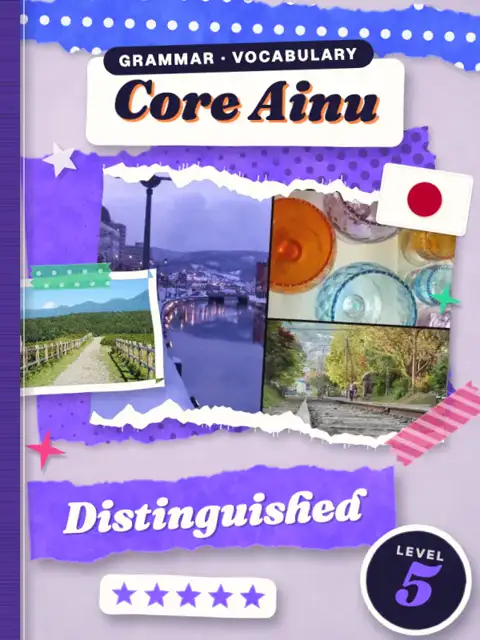
Paper-doll characters and pop-up cities for Kaitu, torn-paper collage covers for every FourSkill course and book, and nine editorial image treatments — engraving, duotone, riso, 3D object plates and maps — for The North China Times.

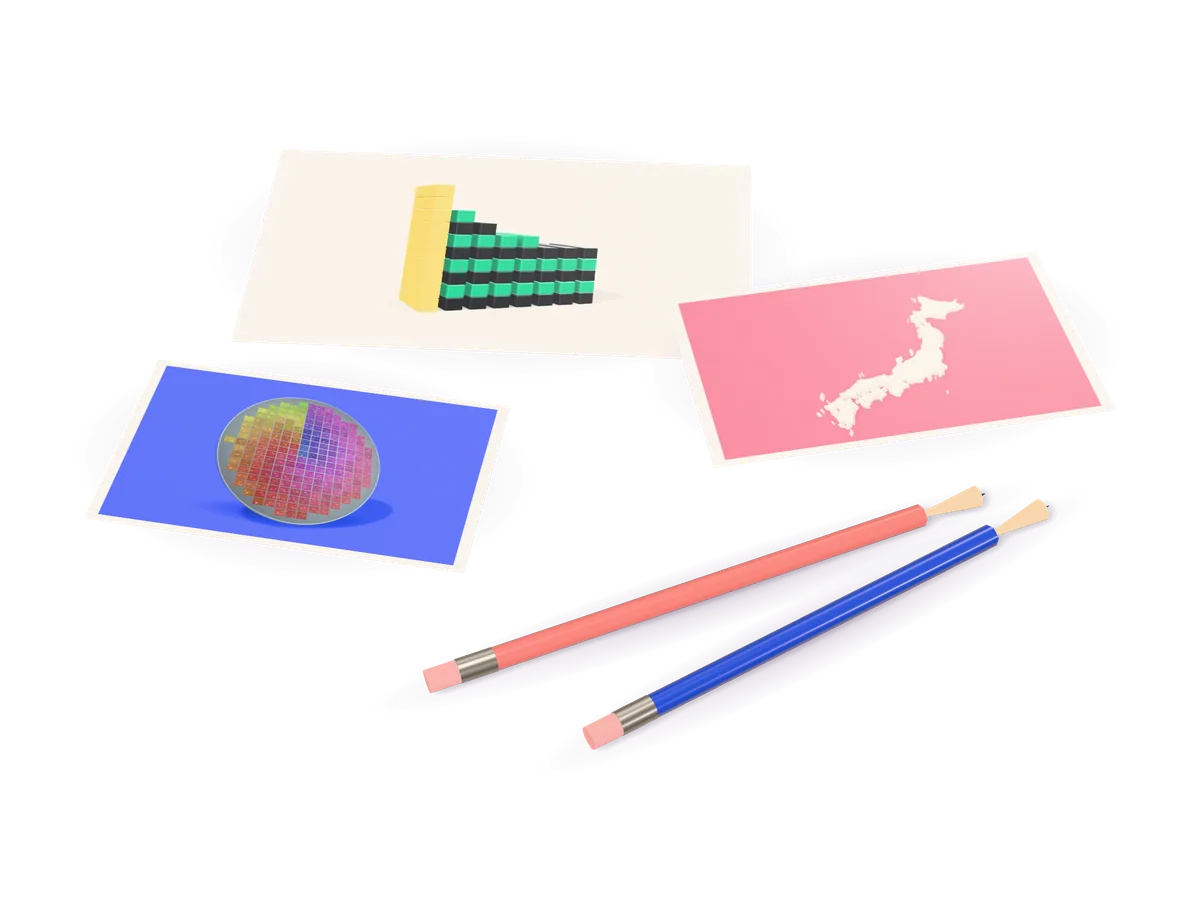
Object plate for the illustrator portfolio: printed illustrations and coloured pencils.
About this occupationIllustrator · what the work involves, and what his work shows

Create original artwork using any of a wide variety of media and techniques.

The graphics and images on FourSkill, Kaitu and The North China Times are his.

Tasks his work shows

  1. Use materials such as pens and ink, watercolors, charcoal, oil, or computer software to create artwork.107 pieces · Illustration
  2. Integrate and develop visual elements, such as line, space, mass, color, and perspective, to produce desired effects, such as the illustration of ideas, emotions, or moods.107 pieces · Illustration
  3. Create finished art work as decoration, or to elucidate or substitute for spoken or written messages.107 pieces · Illustration
The other 25 tasks of the occupation
  1. Confer with clients, editors, writers, art directors, and other interested parties regarding the nature and content of artwork to be produced.
  2. Maintain portfolios of artistic work to demonstrate styles, interests, and abilities.
  3. Market artwork through brochures, mailings, or Web sites.
  4. Study different techniques to learn how to apply them to artistic endeavors.
  5. Monitor events, trends, and other circumstances, research specific subject areas, attend art exhibitions, and read art publications to develop ideas and keep current on art world activities.
  6. Photograph objects, places, or scenes for reference material.
  7. Model substances such as clay or wax, using fingers and small hand tools to form objects.
  8. Create sculptures, statues, and other three-dimensional artwork by using abrasives and tools to shape, carve, and fabricate materials such as clay, stone, wood, or metal.
  9. Set up exhibitions of artwork for display or sale.
  10. Render drawings, illustrations, and sketches of buildings, manufactured products, or models, working from sketches, blueprints, memory, models, or reference materials.
  11. Shade and fill in sketch outlines and backgrounds, using a variety of media such as water colors, markers, and transparent washes, labeling designated colors when necessary.
  12. Frame and mat artwork for display or sale.
  13. Submit artwork to shows or galleries.
  14. Submit preliminary or finished artwork or project plans to clients for approval, incorporating changes as necessary.
  15. Collaborate with engineers, mechanics, and other technical experts as necessary to build and install creations.
  16. Cut, bend, laminate, arrange, and fasten individual or mixed raw and manufactured materials and products to form works of art.
  17. Provide entertainment at special events by performing activities such as drawing cartoons.
  18. Develop project budgets for approval, estimating time lines and material costs.
  19. Create and prepare sketches and model drawings of cartoon characters, providing details from memory, live models, manufactured products, or reference materials.
  20. Create sketches, profiles, or likenesses of posed subjects or photographs, using any combination of freehand drawing, mechanical assembly kits, and computer imaging.
  21. Trace drawings onto clear acetate for painting or coloring, or trace them with ink to make final copies.
  22. Apply solvents and cleaning agents to clean surfaces of paintings, and to remove accretions, discolorations, and deteriorated varnish.
  23. Collaborate with writers who create ideas, stories, or captions that are combined with artists' work.
  24. Brush or spray protective or decorative finishes on completed background panels, informational legends, exhibit accessories, or finished paintings.
  25. Teach artistic techniques to children or adults.

The skills it calls for most

  • Active Learning
  • Critical Thinking
  • Active Listening
  • Reading Comprehension
  • Speaking
  • Judgment and Decision Making
  • Writing
  • Complex Problem Solving

The knowledge it calls for most

  • Design · his work draws on it
  • Computers and Electronics · his work draws on it
  • English Language
  • Production and Processing
  • Fine Arts · his work draws on it
  • Education and Training
  • Communications and Media
  • Customer and Personal Service
Field
Arts, Design, Entertainment, Sports, and Media Occupations
Skills shown
Illustration, Cover art, 3D illustration